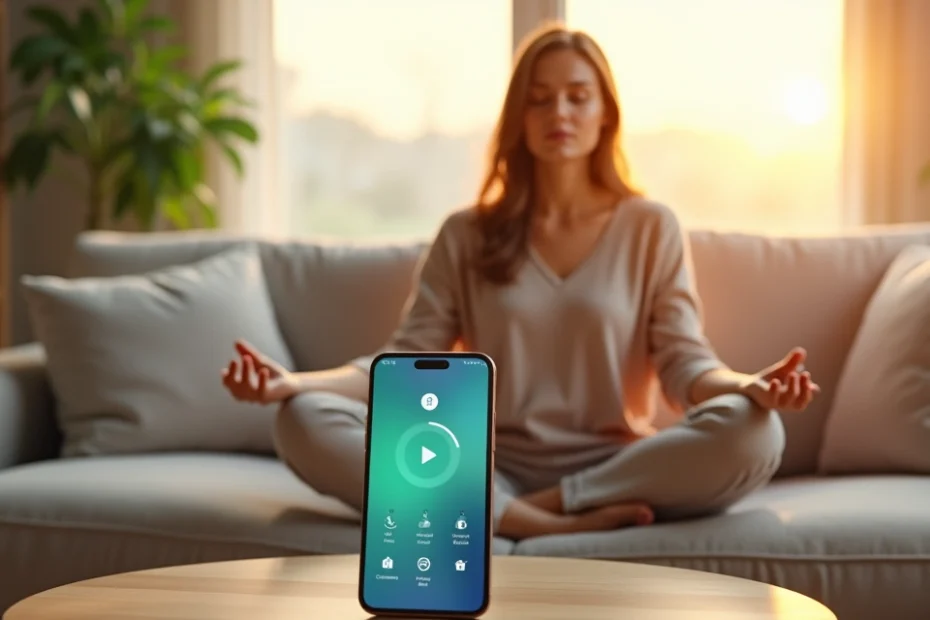
In our experience, daily meditation has become more than a trend. It is a gentle anchor amid the noise and rush. Stress is a shared piece of modern life, but we often overlook the simple tools that can help us manage it. Through our research, we found that technology—once considered a cause of stress—can, in fact, help us restore calm and awareness. Meditation apps have come a long way. They now fit right into daily routines, making mindfulness accessible to anyone, anywhere.
We notice that new users often ask: Do meditation apps really work? Can a few minutes a day with an app reduce stress? The answer, backed by countless personal stories and science, is yes. A regular, guided practice can lead us toward better focus, sleep, and overall balance. Here, we highlight six meditation apps that we found effective for daily use and stress relief, drawing from their main features and how they support different preferences and needs.
Why use meditation apps?
Let us start with a simple truth.
“We always have a minute to pause and breathe, even if life tells us otherwise.”
With meditation apps, it is now easier to catch that minute. Many of us feel lost when we try to meditate on our own. Distractions come quickly, and it is hard to know what to focus on. Apps guide us with structure. They offer calm voices, peaceful tracks, and programs that meet our moods—whether anxious, restless, or just tired.
- Structure: Step-by-step instructions make meditation less intimidating.
- Flexibility: Sessions can last from two minutes to an hour, bending to our schedules.
- Variety: Many styles are available, from simple breathing to body scans and sleep meditations.
We noticed that the little reminders and progress tracking in these apps help users create a steady habit. Some even log streaks or offer points, adding a fun nudge to keep us coming back. Most important, they show that caring for our mind is something we can do a bit at a time, every day.
The six meditation and stress management apps we recommend
Let us walk through six widely appreciated meditation apps, each with their own flavor and benefits. We based our selection on diversity, ease of use, and user experience, so readers can match their needs and personality to the right app.
1. The gentle timer-based meditation guide
This type of app offers a simple, clutter-free timer for meditation practice. No fancy animations or lengthy introductions—just a straightforward way to set the length of your session. We find these apps especially welcoming for those who want to unplug and follow their own silent routine. A soft bell marks the start, maybe a gentle chime at the end. Some let you track your sessions or add notes about what you felt. For many, it is the digital version of sitting in quiet, with just enough support to keep you grounded. Using such an app can turn any spot—a desk, a park bench, or your bed—into your practice space.
2. The audio journeys for guided meditation and breathwork
Apps in this style guide us with audio sessions: calming voices lead us through different practices, like body scans, mindful breathing, or visualizations. They work well for beginners or anyone who enjoys gentle instructions. Often, there are courses or themed series (such as “Reduce Anxiety” or “Better Sleep”) that you can follow. Most apps let you choose the length and background sound—rain, wind, or gentle music. In our opinion, the best part of guided meditation is how it makes it easier to let go of racing thoughts. The voice draws attention back, again and again, until the mind finds steadier ground.

3. The quick relief stress tools
Sometimes, stress strikes and we do not have time for long sessions. Short, practical stress management apps deliver tools like breathing exercises, calming activities, or a quick body scan. With a tap or two, you can find exercises that last less than five minutes. We really appreciate the gentle nudges in these apps. They include notifications or daily check-ins: “Pause for a mindful moment?” You get to choose, and the support is only ever a few seconds away. Many apps in this group also use visuals (moving colored shapes to breathe with, or animations to calm the mind) which can be helpful for visual learners.
4. The sleep meditation and relaxation app
Quality sleep is linked to lower stress, but our busy minds often keep us up. Sleep-focused meditation apps provide soothing bedtime stories, soundscapes, and gentle evening meditations to help us unwind. The voices are low and comforting. Sometimes, the stories drift into dreams before we finish listening. Features include:
- Sleep stories narrated by calming voices
- Ambient background sounds like rain, ocean waves, or forest at night
- Progressive muscle relaxation guides
- Short breathing exercises made for winding down
This type of app can help us link bedtime with peaceful, reassuring feelings, instead of struggle. Over time, we find sleep comes easier and our stress drops.
5. Mindfulness for daily life and emotional balance
Not all meditation happens in stillness. Some apps offer ongoing guidance through the day, blending mindfulness into everyday routines. These might include:
- On-the-go reminders to pause and check in
- Journaling prompts to reflect on mood and gratitude
- “Mindful walking” and loving-kindness meditations
- Notifications synced with moments of high stress, like before meetings or after work
We find these features encourage self-reflection and resilience. They remind us that mindfulness is not only for the cushion, but for the school run, the work call, and the evening meal. Simply checking in with your breath or thoughts a few times per day builds calm, layer by layer.
6. Meditation for kids and families
Meditation is for all ages. Family-focused apps introduce simple, playful meditations, breathing games, and short stories that children love. Parents can join in too! These apps use friendly voices, gentle music, and short sessions so children will stay engaged. Topics often cover: relaxing before bedtime, finding calm before a big test, or shifting focus when upset. Practicing together gives us a shared language for feelings. In our experience, families who use these apps report more patience, deeper sleep, and a calmer home. The best part is how meditation becomes an enjoyable habit that can last for years.

How to pick the best app for you?
With so many options, the choice can feel overwhelming. We believe that the best meditation app is the one you are comfortable using every day. Consider these practical questions:
- Do you prefer silence, or guided voices?
- Do you want very short sessions, or longer meditations?
- Are sleep and relaxation your main goal?
- Would family participation make the experience richer?
- Is it helpful for you to track your mood or progress?
Most meditation apps offer basic features for free. You can try different formats to see what matches your taste. If one app begins to feel like a safe space, stick with it. If it loses its spark, another style may fit better.
Tips for making meditation part of daily life
Many of us begin with good intentions, but routines slip away. Through our conversations with users, we learned a few tricks that help anchor the practice:
- Start small. Even two minutes count. Tiny steps keep the habit light and doable.
- Pair it with a routine. Meditate right after brushing your teeth, before breakfast, or as you get ready for bed.
- Set a gentle reminder. Most apps let you schedule a nudge. Even a sticky note on your phone or mirror can help!
- Forgive skipped days. Returning to practice is more important than a perfect streak.
The power of daily practice
We have seen meditation transform restless days into quieter, more balanced ones. Apps remove so many barriers—cost, time, even experience. With only a phone and a little curiosity, anyone can begin. It is not about reaching “perfection” in calm, but about meeting ourselves, wherever we are, with care. And that, day by day, makes a difference you can feel.
If you feel curious or even a little skeptical, try one small session. Let the phone be a bridge, not a barrier. Who knows? You might find your moment of peace, right in the palm of your hand.