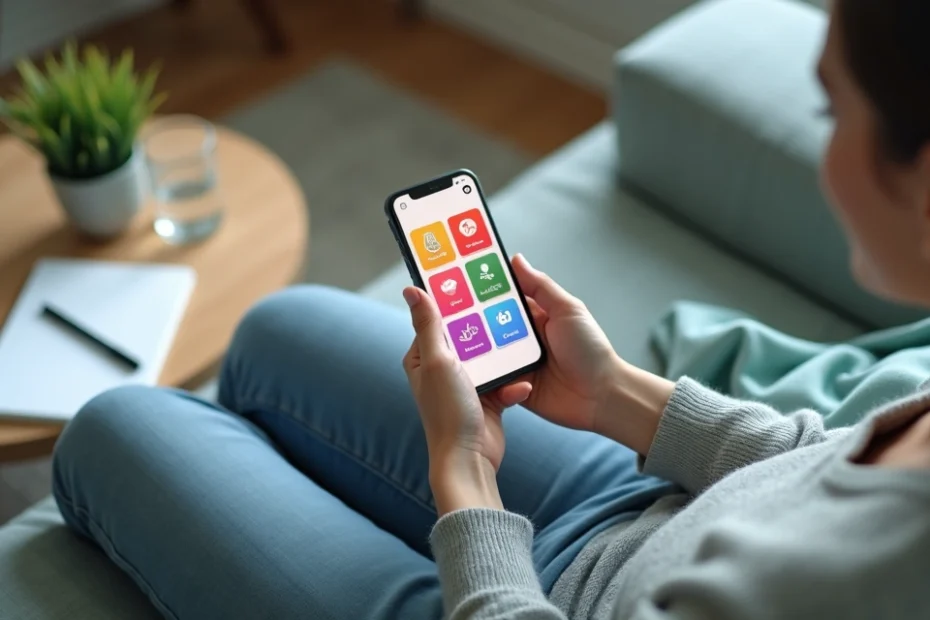
Most of us have found ourselves lying awake at night, thoughts running, heart racing. Maybe it is stress after a complicated day, or that feeling of isolation in an ultra-connected world. We have learned that technology can bring us together, help us reflect, and guide us toward better habits and emotional balance. That is why the right mental health app can really help—sometimes in ways we never expected.
Why mental health apps matter in our daily lives
We live in busy times. Notifications, deadlines, and a constant flood of information compete for our attention. Many of us struggle to find quiet spaces to reflect, recharge, and center ourselves. More than ever, people are seeking ways to look after their emotional well-being between professional help or during daily routines.
We can take small, practical steps to care for our minds every single day.
Digital tools cannot replace talking to a loved one or seeing a professional. But what we have seen is that a thoughtful app, used as a supportive companion, can make a positive difference. The best apps put gentle guidance in our pockets, offering strategies for mindfulness, better sleep, anxiety relief, therapy exercises, gratitude, and safe journaling. They lower the barrier to starting new habits and provide comfort when we need it most.
How to choose the right mental health app?
A quick search delivers countless options. We think it is a good idea to consider what matters most to you—privacy, user-friendly layout, practical exercises, or personalization. Look for apps that align with your specific needs and values, offer trustworthy information, and use clear language.Some focus on meditation, others on therapy-like check-ins, journaling, mood tracking, or stress relief through breathwork and gentle reminders.
This is what we have found: If an app feels approachable and fits seamlessly into your life, you are far more likely to stick with it. So, whether you want a quick mood boost, more restful sleep, or a safe space to sort through your feelings, there is likely an app on this list to support those goals.
1. Mindfulness and meditation apps: Building calm into busy days
Many people associate mindfulness with long sessions of deep meditation. But in practice, we have seen that even a few minutes a day can shift our focus and help us approach challenges with more peace. Mindfulness apps guide us with gentle reminders, clear instructions, and a variety of voices—so that finding time for inner calm does not feel intimidating.
- Short exercises: From one-minute breathing techniques to full body scans, these apps support quick wins as well as deeper dives.
- Guided meditations: Calming voices, soothing music, and easy-to-follow instructions help even beginners settle their minds.
- Progress tracking: Many offer progress milestones, badges, or simple charts to help us see growth in our mindfulness practices, which can be very motivating.
We have noticed that people often develop better sleep routines and improved focus after just a few weeks. The simplicity—press play, close your eyes, breathe—is part of the charm.

2. Mood tracking apps: Getting to know our emotions
Sometimes, the hardest part is simply recognizing what we feel. Mood tracking apps help us put daily ups and downs into words, making patterns visible and less mysterious. In our experience, many people describe a sense of relief once they see their emotions mapped over time—it is a visual journal of their mental well-being.
- Regular prompts: Most apps encourage daily or weekly check-ins, asking us to name our mood, jot a few words, or add context for clarity.
- Insightful trends: Over time, seeing moods linked to certain activities, times of day, or events helps us spot triggers—and pleasant surprises, too.
- Private reflections: These apps allow us to journal honestly and securely, without fear of judgment.
Mood tracking brings self-awareness, and self-awareness supports better choices. We appreciate how approachable they make emotional reflection.
3. Sleep improvement apps: Restoring restful nights
A restless mind can lead to restless nights. Many apps now target the science of sleep, blending sleep stories, gentle reminders, and soothing soundscapes to help guide us into more peaceful slumber.
- Soothing audio: Sleep stories, white noise, and calming playlists help disconnect from the day’s stress.
- Bedtime reminders: Gentle cues remind us to wind down, so bedtime routines start on schedule.
- Sleep tracking: Noting patterns and quality so we can identify improvements or obstacles, without obsessing over every detail.
Even small improvements in sleep can boost mood, energy, and resilience the next morning.
4. Journaling apps: Safe spaces to sort thoughts
Expressive writing has long been recognized as a healthy outlet. Journaling apps offer private corners to unload worries, reflect on good moments, or plan for change. We have seen that the act of typing out our feelings can provide fresh perspective.
- Guided prompts: Thoughtful questions nudge us to reflect in ways that sometimes surprise us.
- Photo and audio entries: Not everything needs to be written—some apps let us attach photos or voice notes for richer memories.
- Cloud backups and privacy locks: Security features keep personal thoughts secure, which encourages honesty.
Writing what weighs on the mind frees up mental space for the rest of life.

5. Cognitive behavioral therapy (CBT) based apps: Evidence-backed exercises
Cognitive behavioral therapy has a strong track record for helping people reframe unhelpful thoughts and develop better coping strategies. The good news is, many apps now distill CBT exercises into simple, step-by-step guides for tracking thoughts, practicing gratitude, and identifying unhelpful patterns.
- Thought records: These help us jot down a stressful situation, what ran through our heads, and alternate, kinder perspectives.
- Behavioral activation: Gentle nudges to try rewarding activities, even on tough days.
- Personalized plans: Some apps adjust exercises based on our goals and feedback, making the support feel truly individualized.
CBT-inspired features make the science of well-being more accessible—even a five-minute daily check-in can reduce anxiety or negative thinking.
6. Gratitude and positivity apps: Training the brain for more joy
Some days leave us focused on everything that went wrong. Gratitude apps flip the script. By encouraging us to record small, good things—sunshine, a friendly hello, a tasty meal—they help nudge our minds toward optimism over time.
- Gratitude journals: Daily or weekly prompts invite us to name three or more things, big or small, that we appreciated.
- Photo gratitude entries: A quick snapshot of a happy moment can mean a lot days later.
- Uplifting quotes and reminders: Designed to inspire and reframe tough moods, so optimism feels like a gentle possibility, not an order.
We have seen these apps plant seeds for long-term positivity, especially when used consistently for a few weeks.
7. Breathing and relaxation apps: Grounding yourself fast
We have all had moments when tension builds and it feels hard to breathe. Breathing and relaxation apps are quick, practical tools for such moments. Animated visuals and calming music walk us through slow inhale-exhale cycles, trigger muscle relaxation, and turn anxious energy into something softer.
- Visual breathing guides: Simple graphics help sync breath and mind without confusion.
- Emergency stress relief: Some offer exercises for panic or high stress in just one or two minutes.
- Daily practice reminders: Gentle notifications keep us on track developing relaxation as a habit, not just in crisis.
Practicing deep, slow breathing for even a minute can reset your nervous system.Many people start these exercises when stressed, but find they soon use them as steady habits to stay balanced.
A final thought: Mental health belongs in our pockets
We have seen how digital tools, when chosen with care, can fit beautifully into our routines and provide comfort, insight, and skills for better emotional well-being. They are not cures. But combined with self-compassion, real connection, and, when needed, professional care, they keep us moving forward—even on the tough days.
A little help, right when we need it, can shift an entire day.
If you have never used a mental health app, we encourage you to try one of these categories for a week. Stay kind to yourself. Every healthy habit begins with a single step.