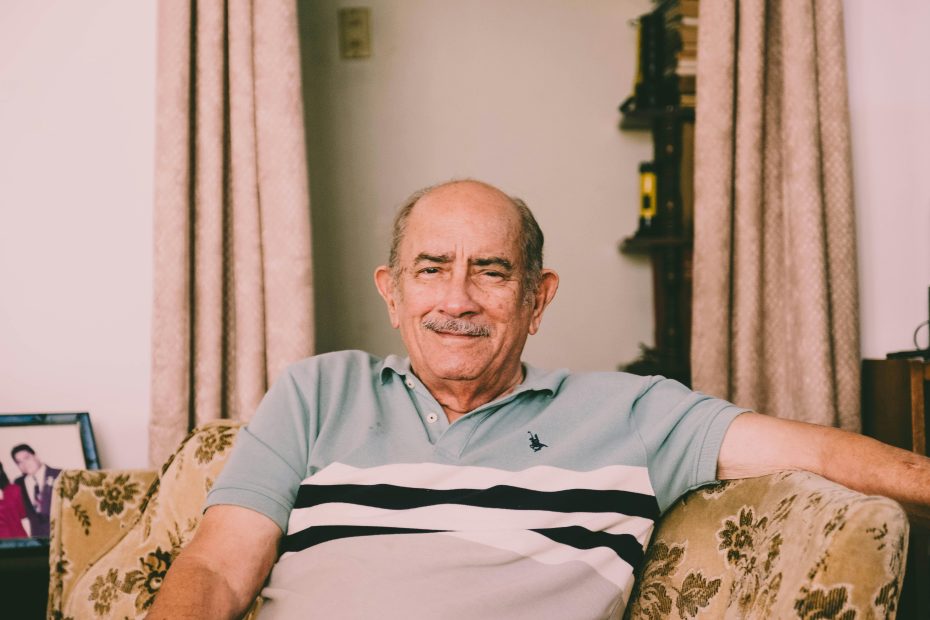
Home as a Place of Safety — and Also of Invisible Risks
For many older adults, home is the place of greatest comfort and emotional connection. It’s where they keep their stories, treasured objects, and routines that bring peace. Yet, paradoxically, it can also be the setting for silent hazards that compromise health and independence.
Slips, falls, burns, cuts, and other domestic incidents are far more common in this age group than many realize. In many cases, they could be avoided with simple adjustments and mindful habits.
Prevention isn’t just about installing grab bars or replacing rugs — it’s about creating an environment designed to offer freedom with safety, allowing seniors to live fully without the fear of injury.
Why Domestic Accidents Increase With Age
The natural aging process brings changes that affect balance, vision, hearing, and even reaction time. Certain chronic conditions or medications can also influence coordination and alertness.
This means that a poorly lit step, a cord across the floor, or a loose rug can pose a far greater danger to an older adult than to a younger person.
Understanding these factors is the first step toward adapting the home and reducing risks. It’s like preparing the soil before planting: the safer the ground, the healthier life will grow.
Flooring: The Silent Villain
One of the main causes of falls is slippery or uneven flooring. Over-polished surfaces, unsecured rugs, or wet areas can become dangerous traps.
Practical tips:
-
Choose non-slip flooring in high-traffic areas like kitchens, bathrooms, and hallways.
-
Avoid excessive waxing that makes floors overly shiny.
-
Use rugs only if they have a non-slip backing.
-
Place anti-slip mats inside and outside the shower.
One often-overlooked detail: floor lighting. Shadows and glares can distort depth perception and lead to trips.
Lighting: Clarity Is Safety
Poor lighting is responsible for many accidents, especially in hallways, stairs, and entryways. Dim or poorly positioned lights can make small obstacles go unnoticed.
Practical tips:
-
Install nightlights in hallways and bathrooms to avoid walking in the dark.
-
Use bright white bulbs, especially in reading or craft areas.
-
Keep light switches within easy reach, without the need to stretch or bend.
Good lighting doesn’t just prevent accidents — it also enhances emotional well-being, as brighter spaces feel warmer and more inviting.
Furniture: Less Is More
Homes crowded with furniture, decorations, and small objects can hinder movement and increase the risk of tripping.
Practical tips:
-
Keep hallways and pathways free of obstacles.
-
Choose furniture with rounded corners to avoid injuries.
-
Avoid glass tables in high-traffic areas.
-
Adjust chair and sofa heights to make sitting and standing easier.
A more minimalist environment isn’t about losing warmth — it’s about gaining freedom of movement and safety.
Bathrooms: Where Risks Multiply
Bathrooms are among the riskiest places because they combine wet floors, smooth surfaces, and limited space to hold on to.
Practical tips:
-
Install grab bars near the toilet and inside the shower.
-
Use shower seats to prevent falls during bathing.
-
Keep toiletries within easy reach.
-
Set the water heater to a safe temperature to avoid burns.
An adapted bathroom provides autonomy while giving peace of mind to both seniors and their families.
Kitchens: Watch Out for Heat and Sharp Objects
Kitchens also demand caution, as they involve knives, stoves, and hot surfaces.
Practical tips:
-
Use pots with sturdy handles, turned inward on the stove.
-
Install gas leak detectors.
-
Keep knives and sharp tools organized and easy to reach.
-
Use oven mitts when handling hot cookware.
Even for seniors who love cooking, it’s important to reduce the need for risky movements, like reaching high shelves or carrying heavy pots.
Stairs and Steps: Critical Points
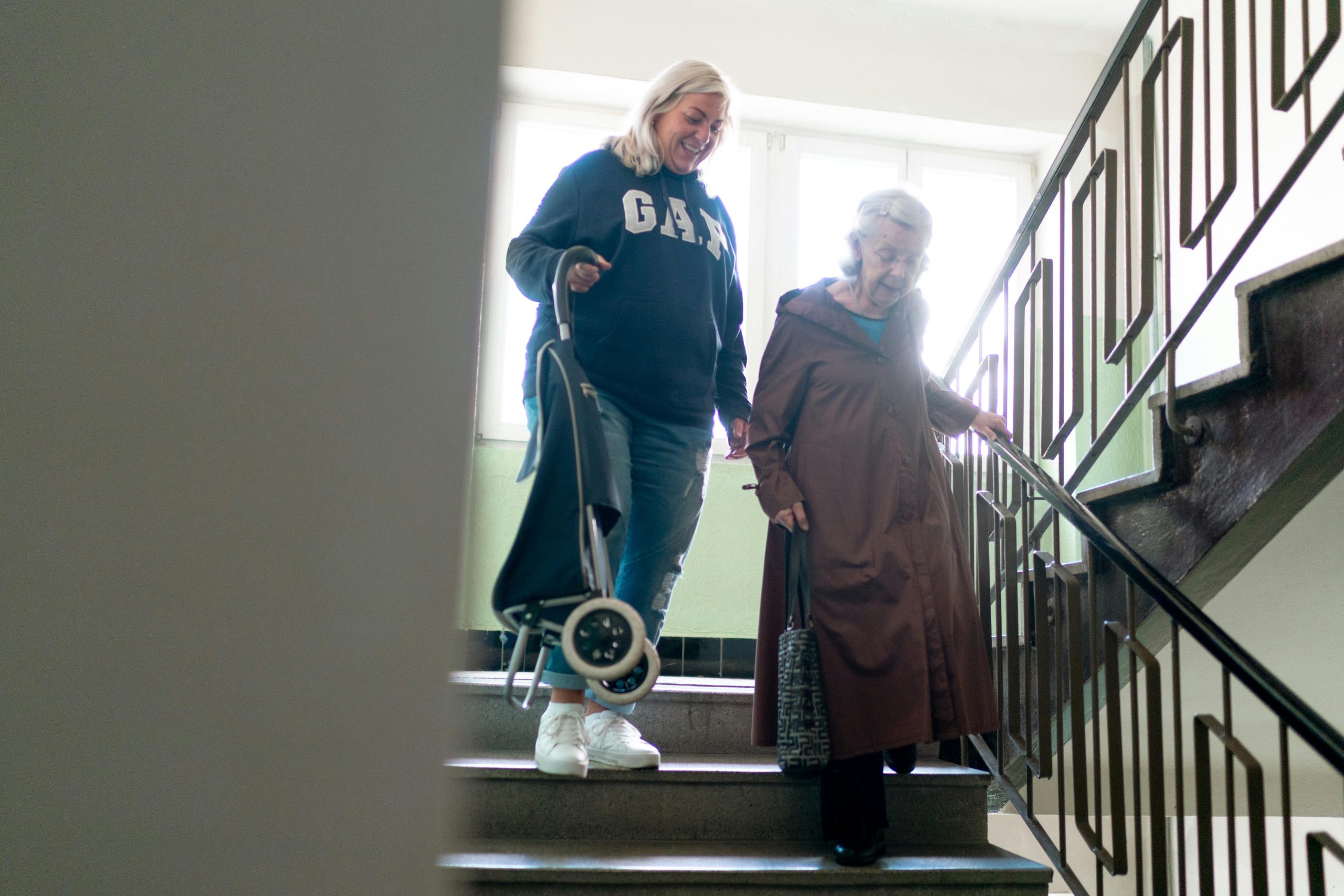
If the home has stairs, the risk increases. Visual perception may not pick up subtle changes in height, and a misstep can have serious consequences.
Practical tips:
-
Install sturdy handrails on both sides of the stairs.
-
Use anti-slip tape on steps.
-
Ensure proper lighting along the entire stairway.
-
Avoid carrying items that block the view of the steps.
Whenever possible, consider alternatives like ramps or relocating daily activities to the ground floor.
Technology as a Safety Ally
Technology can be a powerful tool for preventing domestic accidents today.
Useful suggestions:
-
Motion sensors to turn lights on automatically.
-
Fall detection alarms that notify family or caregivers.
-
Voice-activated assistants to call for help.
-
Indoor cameras for remote monitoring.
The key is for technology to complement human care, not replace the presence and attention of loved ones.
Daily Habits That Make a Difference
Prevention also involves behaviors and routines, not just physical adjustments.
Important tips:
-
Keep a phone nearby for emergencies.
-
Wear closed, non-slip shoes indoors.
-
Avoid leaning on unstable furniture.
-
Store daily-use items within easy reach.
Small changes in habits can have a huge impact on reducing accidents.
The Role of Family and Caregivers
No adaptation replaces human care and connection. Family members and caregivers should watch for signs of mobility difficulties, memory lapses, or other factors that increase accident risks.
Open conversations — without treating the senior like a child — are essential so they see these changes as tools for independence rather than restrictions.
Conclusion: Safety as a Synonym for Freedom
Preventing domestic accidents in old age isn’t about taking away independence — it’s about ensuring it lasts longer.
Every grab bar, extra light, and safe habit represents not only physical protection but also emotional peace for seniors and their families.
By adapting the home with care and thoughtfulness, we create a true haven — a place where memories can continue to be made without the constant fear of an accident.
Aging safely, in the end, means aging with more freedom to live.