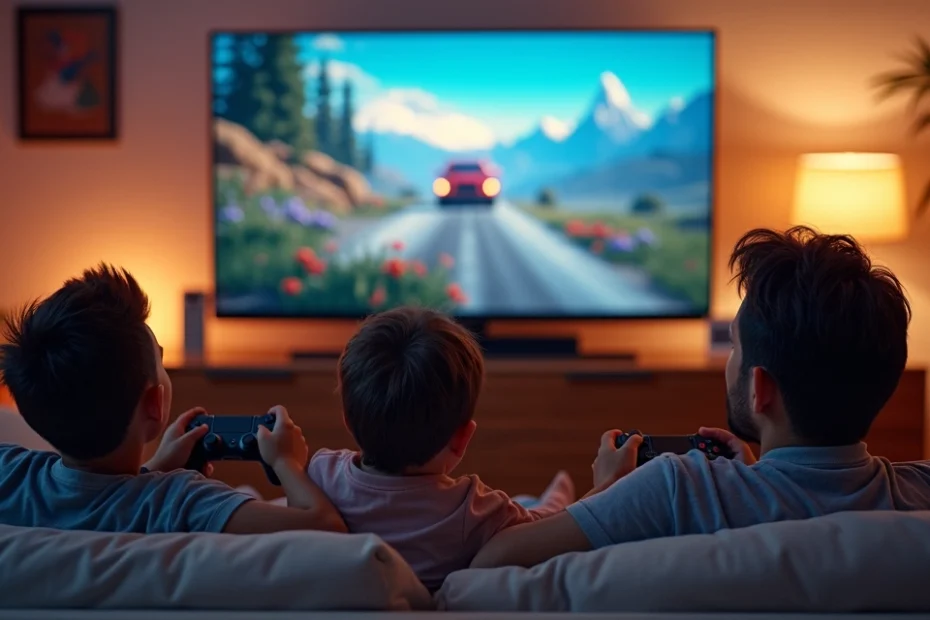
When we talk about family gaming, the conversation often drifts into details. It’s rarely just about what’s newer or flashier. In 2026, things look even more layered than before. We see new consoles arriving, computers getting smarter and more efficient, and the way families play together keeps shifting. If you’re reading this, maybe you want to choose what’s best for your living room—or keep everyone arguing a bit less next weekend. Either way, we want to help make things clearer.
What are families really looking for?
Before we compare gaming consoles and PCs, let’s pause to think about what “best” actually means for a family. In our experience, families often hope for:
- Simplicity and ease of use—no one wants to spend hours troubleshooting.
- Reliable parental controls and age-appropriate games.
- Fun multiplayer options, especially for siblings and friends.
- Reasonable costs, both up front and over time.
- A way to balance screen time with other activities.
With that in mind, let’s look at both sides.
Gaming consoles in 2026: How do they fit family life?
Consoles have always been designed for the living room. In 2026, that hasn’t changed at the core, but there are new features.
- Consoles are easy to plug in, set up, and start playing. No one needs a technical degree.
- Many consoles focus on shared experiences. Couch multiplayer, family-friendly bundles, and exclusive games mean everyone can join in.
- They often have built-in parental controls that can actually make a difference for managing playtime or blocking unwanted content.
- Console ecosystems sometimes come with monthly game subscriptions, giving steady access to new titles without extra spending every week.
But there are things to consider, too. The cost of a new console may be lower than a top-tier PC, but controllers, extra games, and subscriptions can add up. Also, consoles tend to have a set hardware specification, so what you buy in 2026 is what you use for several years (no upgrading needed—or allowed).

PC gaming in 2026: What’s new for families?
We see PC gaming changing every year, and 2026 feels no different. Now, families looking at PCs see choices everywhere—tower desktops, compact all-in-ones, even high-powered laptops for gaming on the move. But is it for everyone?
- PCs offer flexibility—play games, stream movies, help with homework, or make video calls.
- You can often upgrade parts over time, spreading out the cost rather than replacing the whole device when something new comes along.
- Online stores and game libraries tend to be huge, with regular sales and bundles. This can help families with different tastes find something for everyone.
- PCs let you use a mix of accessories, from game controllers to keyboards and drawing tablets.
On the flip side, the flexibility can sometimes feel overwhelming. We’ve heard from families who struggled to pick the right hardware, or spent hours trying to fix software issues. Setting up parental controls may involve more steps than with a console. Not everyone wants to sit at a desk or huddle around a small laptop screen either, and a high-end PC can still come with a large price tag.
Comparing costs: What’s the real price?
Families often ask about the price difference. We see three areas where you’ll spend money: hardware, games, and ongoing fees (like subscriptions or internet data).
- A new console can often be cheaper to buy upfront than a top gaming PC.
- However, if you plan to use a PC for gaming, work, and entertainment, it may offer better value—since it’s not just for games.
- Both platforms offer digital game libraries and subscriptions, which affect long-term expenses.
- Upgrades: Consoles rarely need extra upgrades over their lifespan. PCs can be upgraded, but the cost can sneak up if you chase the latest tech.
We suggest thinking about what you want your device to do, and how long you want it to last. No single answer fits every family.
Which is safer—console or PC?
Safety means a few things: content controls, online interactions, and device security. In our research, consoles still tend to be simpler when it comes to parental filters and restrictions on online play. Most modern consoles come with tools that allow parents to:
- Limit playtime by user or by game.
- Filter games by age rating.
- Restrict or monitor purchases from the console store.
PCs can do all of these things too, but it may take more steps. Depending on your comfort with settings and privacy tools, families sometimes find the PC a bit more complex.
Family experience: Together or apart?
This part gets personal. Some families love gathering around the big TV for a shared gaming session—laughing, competing, and helping each other finish levels. Consoles are really built for this. The games often focus on local multiplayer and simple controls—ideal if not everyone is an expert.
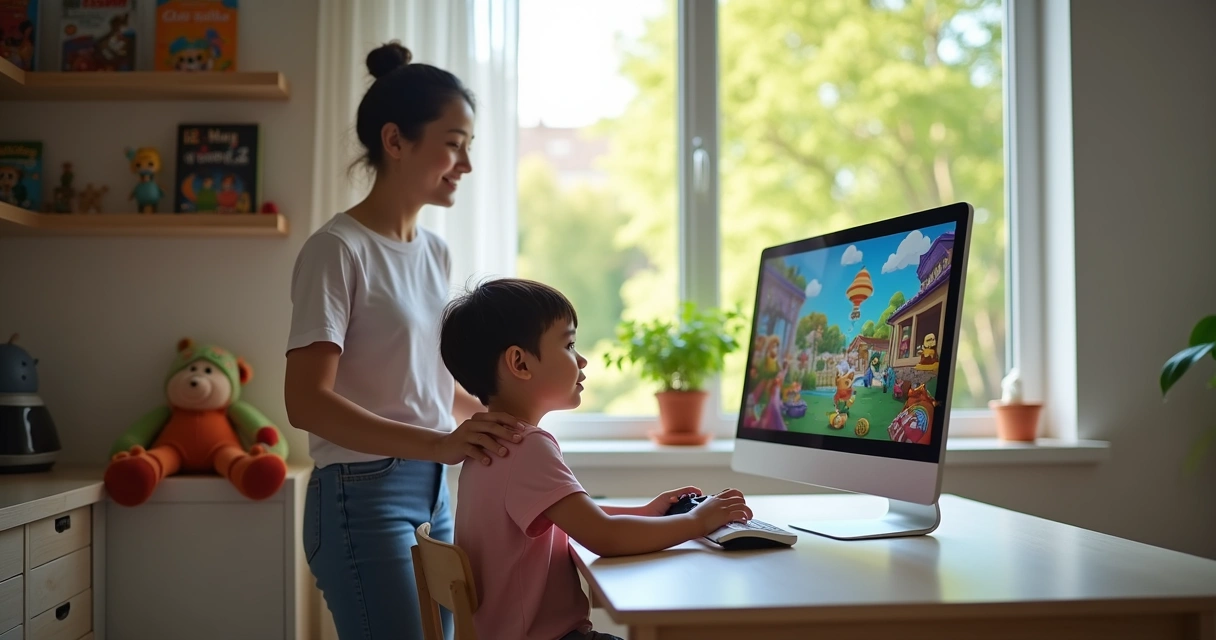
On a PC, the experience can feel different. Yes, you can plug in extra controllers and play together, but sometimes it’s just easier for one person at a time, especially with keyboard-and-mouse-focused games. On the other hand, a single PC can let each family member create a personal profile, custom settings, and playlists. Some older children or teenagers might value that independence.
The best option can depend on whether your family likes to play together—or separately.
Game variety and learning options
We know families often want a balance: fun games, yes, but also maybe something with a little learning value. PC gaming stands out by often offering a wider range of educational and creative titles—from coding to design and strategy games. Plus, a PC can multitask: schoolwork, video chats with friends, or even digital art. For families looking to encourage curiosity, that’s a strong point.
Consoles don’t stand still, though. There are more educational games and apps than ever, focused on all ages. These are often simpler to find and start up, good for younger kids or those times when parents just want something easy. Still, if educational gaming is a big priority, a PC sometimes brings more options to the table.
Longevity and flexibility: How long will it last?
We sometimes hear families sigh: “Will I be buying another one in a year or two?” That’s understandable. In 2026, most new consoles tend to be used much as they come out of the box, with updates and games added over their lifespan. They may happily run for six or seven years before needing a replacement.
PCs, meanwhile, change with the user. You can swap out parts, add new devices, or simply use the computer for school, work, and fun long after top-tier gaming is less of a priority. But that flexibility can add complexity over time. And, let’s be honest, families don’t always love troubleshooting hardware.
Final thoughts: What really matters?
No single device fits every family. The best choice depends on habits, budget, ages, and how you’ll use the device together—if at all. If you want a device that lives in the living room, brings everyone together, and just works, modern consoles are still hard to beat for that purpose.
If you hope to mix play and learning, want a flexible device for school and hobbies, or have older kids who’ll value customization, the PC still brings value, even if it asks a bit more patience in setup.
What matters most is making gaming joyful, safe, and shared.
We’ve seen families pick both sides, sometimes even having a console in the living room and a PC in the study. No rule says the answer can’t shift as your family grows, changes, and plays differently. We hope these thoughts bring you a little closer to what will work at your home in 2026.