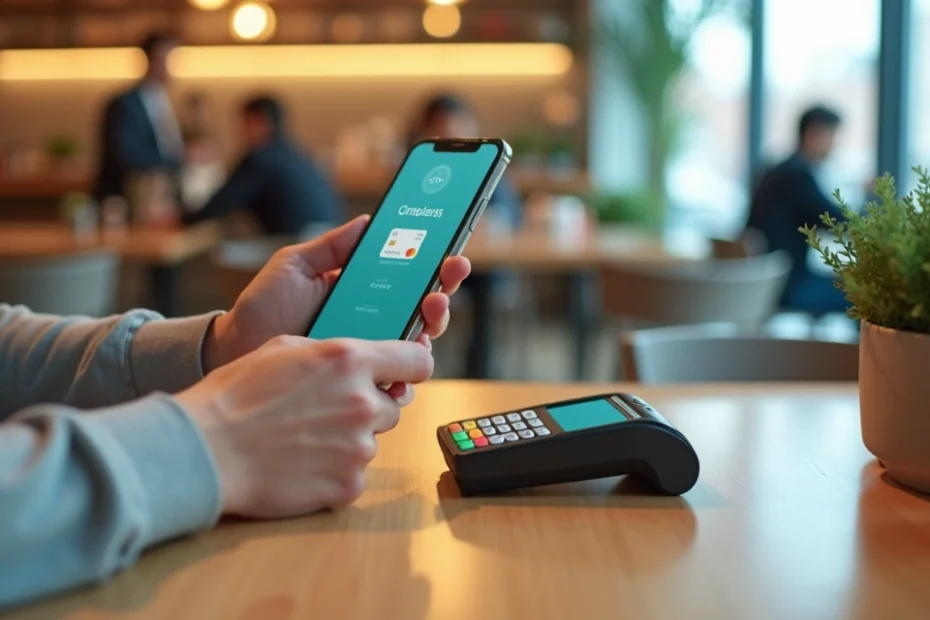
In recent years, we have seen digital wallets move from being a curiosity to a daily convenience. Many of us carry less cash than ever, and physical cards are losing ground. This shift is not just about technology, but also about how we feel safe, how we choose to pay, and how we manage our money. Financial habits evolve, and so do the tools we use. Let’s walk through what digital wallets are, how they work, their benefits, and what to think about before you use one.
What is a digital wallet?
A digital wallet is a secure application or device that stores payment information, allowing us to pay for goods and services without using cash or a physical card.
Digital wallets store things like credit card details, driver’s licenses, loyalty cards, and more. Most people use them via smartphones, but smartwatches and even computers can serve the same purpose. These wallets let us pay online or in physical stores, usually through technologies like NFC (Near Field Communication) or QR codes.
Your phone can now be your wallet.
Setting up a digital wallet is usually quick. We add our card information to the wallet app, verify our identity, and then start paying with our device. The device communicates directly with payment terminals or online stores, completing the transaction safely and quickly.
Types of digital wallets
We can break down digital wallets into three main types. Each has its own style and use cases.
- Closed wallets: These are issued by specific companies for use in their stores or platforms. They store your balance and are exclusive to that business.
- Semi-closed wallets: These can be used with select merchants or within certain ecosystems. They do not offer cash withdrawals, but are useful for a broad network of retailers.
- Open wallets: These are linked directly to bank accounts or cards and can be used almost anywhere, both online and offline. They allow contactless payments, bank transfers, withdrawals, and sometimes even international transactions.
In our experience, most people start with a semi-closed wallet and later move to an open one, as it gives more freedom and flexibility.
How digital wallets work
The core process is simple:
- We add payment information (like credit or debit card numbers) to the app or device.
- The wallet encrypts this data for security.
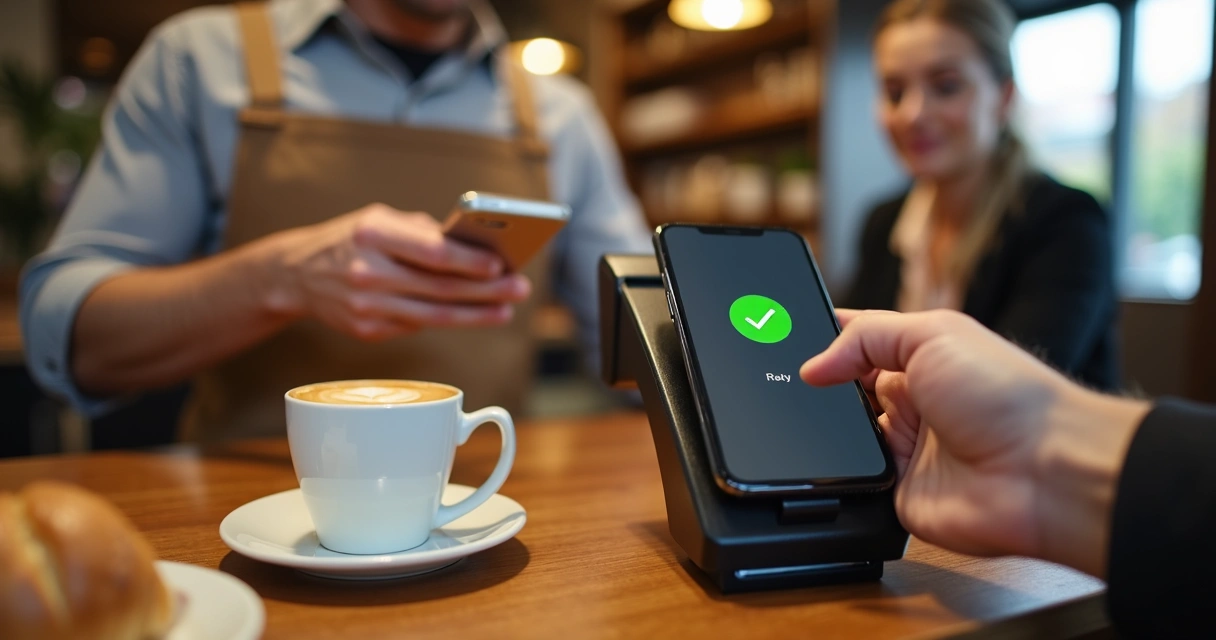
- When paying, we hold our device near a compatible terminal, scan a code, or click a button on an online checkout.
- The wallet confirms our identity, usually with biometrics or a password, and then processes payment.
This technology reduces the need to carry physical cards or cash. In our experience, paying with a phone or watch is often quicker, especially in places with modern terminals. Some apps add ways to split bills, store tickets, or keep loyalty points as well.
Are digital wallets safe?
Safety is often the biggest question. We believe confidence comes from understanding how these apps protect money and information. Digital wallets use multiple layers of security to protect financial data, such as encryption, tokenization, and biometric authentication like fingerprints or facial recognition.
If someone steals our phone, they still need our PIN or fingerprint to access the wallet. Each transaction often uses a unique code, so our actual card number isn’t shared with merchants. For online payments, many wallets require additional verification steps.
Of course, no technology is perfect. Stolen phones, phishing, and weak passwords remain risks. But if we choose a strong password, use biometrics, and keep devices updated, digital wallets can be very secure.
Security starts with small habits.
In our research, people who use digital wallets responsibly feel safer than carrying large amounts of cash or many cards.
Benefits of using digital wallets
We find several benefits that make digital wallets attractive for daily use:
- Convenience: We can pay quickly in stores, online, or even peer-to-peer, often with just one tap.
- Less clutter: No need to carry lots of cards, loyalty programs, receipts, or even a bulky wallet.
- Tracking: Most wallets keep a record of all payments, so tracking spending is easier.
- Integration: Many digital wallets let us add tickets, boarding passes, discount coupons, and more.
- Rewards: Some services offer rewards or cash back for using their wallet for payments.
Digital wallets often simplify group payments or splitting bills, which is a relief during meals with friends or group trips.
It’s not just about “going digital.” For many of us, it’s about simplifying life and feeling more in control of our finances.
Possible drawbacks and points to consider
Despite their advantages, digital wallets do have some drawbacks:
- Device dependency: If your phone runs out of battery, payment becomes difficult. Some people still carry a physical card as backup.
- Merchant acceptance: Not all places accept digital wallets yet, especially in smaller towns or independent shops.
- Privacy concerns: Using digital wallets means some personal data is stored and shared by different parties.
- Learning curve: Some new users are unsure about setup and worry about making mistakes, but most apps offer step-by-step help.
Most of us adjust to these points over time, but they are worth thinking about before switching to digital-only finances.
Always know your backup options.
How to choose and set up a digital wallet
We recommend considering a few points before choosing your digital wallet:
- Check device compatibility. Not all wallets work with every phone or operating system.
- Review security features. Use wallets that offer two-factor authentication and biometric protection.
- See what cards, banks, and stores are supported by the wallet.
- Read privacy policies and make sure you are comfortable with data sharing practices.
Once you’ve chosen, setup usually involves:
- Downloading the wallet app.
- Adding your payment card(s) with verification.
- Setting up a secure password, PIN, or biometric lock.
- Testing a small payment to ensure everything works smoothly.
We suggest trying your new wallet first on small purchases. That builds confidence and ensures you understand the process without stress.
Everyday situations where digital wallets help
It’s the little things that make us stick with digital wallets:
- Buying coffee while rushing to work and paying with just a phone tap.
- Booking travel online, where filling in payment details is handled almost instantly by the wallet.
- Splitting restaurant bills, sending or receiving small amounts from friends right away.
- Storing tickets for events or transportation in one central place, instead of worrying about paper copies.
In our experience, the value really shines when convenience is needed most—when you forget your regular wallet, when time is short, or during trips where carrying less feels safer.
What to expect for the future
The pace of change in digital payments is fast. Digital wallets are adding features like integrating travel tickets, national ID cards, digital health passes, and even cryptocurrencies. We think banks and stores will adopt new ways to link digital wallets to personalized offers or loyalty programs. More devices will join in. In many places, contactless payments have become a habit.
It’s safe to say that digital wallets are not just a trend, but a lasting shift in how we choose to pay, save, and organize our lives.
Conclusion
Digital wallets bring a fresh way to pay, along with new habits and small changes in our daily routines. Whether you use them for quick coffee runs, managing group expenses, or organizing digital receipts, their easy setup, security, and flexibility stand out. We believe everyone will find some benefit, even if it’s just as a backup. So try adding your favorite card to your phone or watch—and see how it feels the next time you step up to the counter.