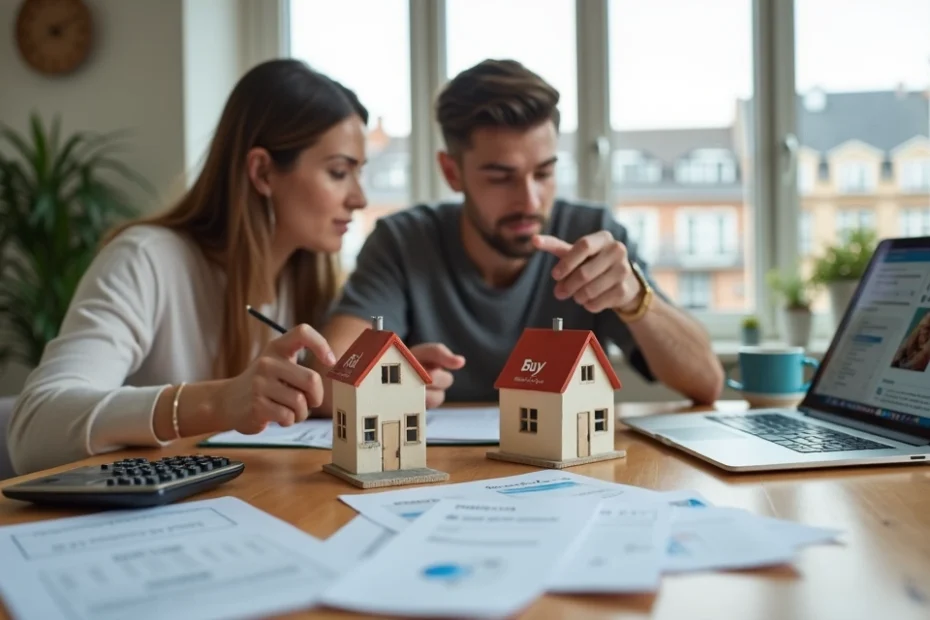
There is a moment in many people’s lives when we ask ourselves whether it is smarter to rent or to buy a home. It may start as a quiet thought, but it can grow into a serious debate with ourselves or those close to us. This decision shapes not just our finances, but also daily routines, long-term plans, and even our sense of comfort. To help us think through this choice, we gathered six honest factors to reflect on, mixed with stories that might sound familiar to you.
Your life plans and flexibility
Sometimes we meet people who seem settled, happy to stay in the same place for years. Others seem to have a suitcase always half-packed, ready to move for work, study, or simply for a change. Understanding where we feel most at home—rooted or roaming—matters a lot here.
- Renting gives us flexibility. If we might move cities or countries for work, relationships, or adventure, renting lets us leave without selling a property or waiting for the right buyer.
- Buying can be a better fit if we feel ready to settle, start a family, or want a place to make our own for a long time.
Sometimes where we live shapes who we become.
We often meet people who say, “We rented until we really knew this was home.” There’s no one-size-fits-all answer, but how much flexibility we crave shapes everything else.
Comparing monthly costs: rent versus mortgage payments
A common argument we hear: “Paying rent is like throwing money away.” Let’s test that. While mortgage payments might look the same as or lower than rent in some places, there are extra costs homebuyers face. We think honest math helps here.
- Mortgage payments: Principal plus interest, often fixed but sometimes variable.
- Property taxes: An annual or monthly bill that can climb over time.
- Insurance: Homeowners need building coverage and often life insurance. Renters usually only need contents insurance, which is cheaper.
- Maintenance and repairs: Owners are responsible if a pipe bursts or the roof leaks. Renters can call the landlord.
- Condo or homeowners’ association fees: If buying an apartment, these monthly fees matter.
We have seen cases where someone’s mortgage payment is barely more than their rent, but after adding all these extras, the monthly numbers flip. On the other hand, in some places, buying can mean lower long-term costs. It really comes down to your local market and the type of property.

Upfront costs and saving for a deposit
Buying a property usually requires a down payment that can range from 10% to 30% of the purchase price. For many of us, saving this amount takes years of discipline and some luck. In addition to this, there are closing costs: lawyer’s fees, inspection, taxes, and registration.
Renting an apartment, instead, often comes with a much smaller upfront spend. Usually it’s just a security deposit plus first month’s rent—sometimes a broker’s fee. That means moving in is easier, especially if we haven’t had time (or opportunity) to save a lot yet.
A bigger deposit can mean better mortgage conditions, but reaching that amount isn’t fast for everyone.
When we meet younger adults or people in transition, this difference often tips the scale towards renting at first.
Freedom, responsibility, and peace of mind
Every homeowner we know has a moment when something breaks late at night—water heater, window, ancient wiring. At that point, the responsibility sits squarely on the owner’s shoulders. While some feel empowered by the control it gives, others feel anxious.
- Owners have the freedom to decorate, renovate, and shape their space. No need to ask permission to paint a wall or change a layout.
- Renters enjoy peace of mind, knowing that most emergencies and serious repairs are handled by the landlord.
We have seen families blossom in owned homes, investing in upgrades over time. We have also seen renters feel relieved at moving on after a plumbing disaster without footing the bill. It’s a difference in mindset: how much control and responsibility suits us right now?
Building equity and long-term investment
This is a topic that stirs debate. Many believe that owning property is a classic way to build wealth over decades, provided the market stays healthy. With each mortgage payment, owners build equity—a growing slice of the property’s value. Rent, by contrast, does not translate into ownership, no matter how many years we stay.
However, it’s not all growth and gain. Homes can lose value in some markets. Selling is not always fast or easy, and there can be times when prices fall for years. Plus, houses need ongoing investment to keep them in good condition, which can eat into profits from rising values.
Renting doesn’t offer the chance to build equity, but it also means not risking large sums in one asset or tying up cash as a down payment. For some, this freedom outweighs the possible gains from long-term ownership.

Security and emotional comfort
Some renters tell us they feel uneasy, knowing their landlord could decide not to renew the lease or sell the property. Others feel totally comfortable as tenants, focusing more on what’s around them than who holds the deed. Ownership, meanwhile, can deliver a sense of stability that renting struggles to match.
But ownership also comes with its own stress—debt, market ups and downs, and the feeling that you are on the hook for every repair. We have watched people thrive as owners, decorating their space with personality, and we have seen renters create homes that are just as warm, even when temporary.
Security means different things to different people.
We suggest thinking carefully about what makes you feel safe and happy. Is it knowing you can stay put as long as you like? Or is it having the freedom to move without strings attached if your plans change?
Summing it all up: what’s the right decision?
As we have seen, the choice to rent or buy is not only about money. It is a web of personal dreams, practical needs, and sometimes, gut feelings. There will be trade-offs, no matter which side you pick.
- If your life is in motion, or if saving a deposit feels out of reach, renting makes sense.
- If you are ready to put down roots and invest for the future, buying can be a rewarding path—with responsibility and potential for growth.
There is no wrong answer—just what matters most to you at this point in your life.
Many of us switch sides more than once. We rent when we’re young, buy when we’re ready, sometimes return to renting if we want flexibility again. It helps to ask the tough questions, look at our budgets, and dream a little too. What kind of home matches your plans? How do you weigh comfort, stability, and choice? We hope these six factors bring you clarity as you consider your next step.