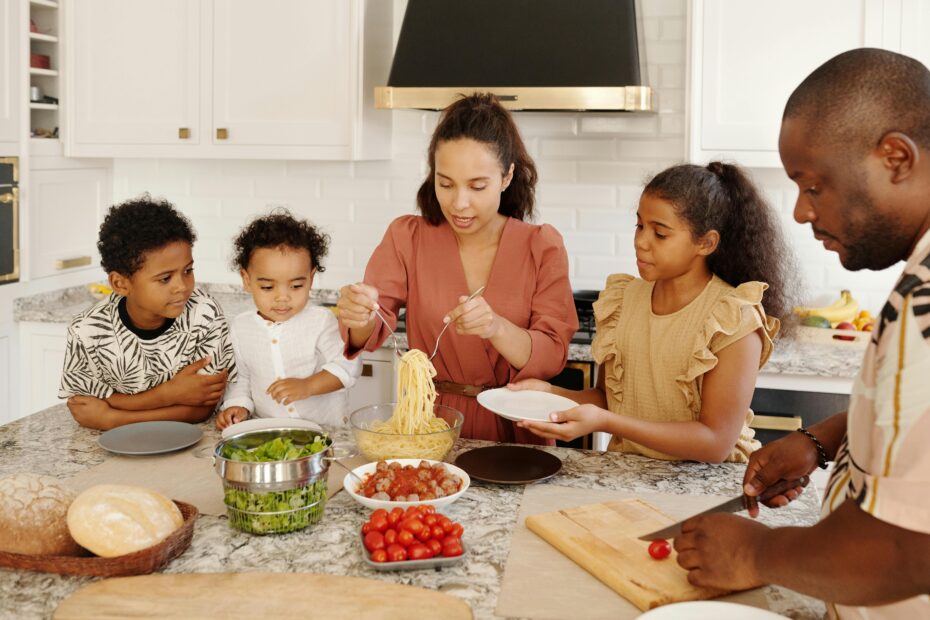
A choice that weighs on both your budget and your routine
Eating is one of life’s greatest pleasures, but it’s also one of the most consistent expenses in any budget. With busy schedules, many people end up eating at restaurants, ordering delivery, or grabbing ready-made meals. On the other hand, some prefer cooking at home, choosing ingredients, controlling portions, and organizing each meal.
The big question is: which option costs less? Does cooking at home really save as much money as people say, or can eating out sometimes be practical and not as expensive as it seems?
In this article, we’ll explore the differences between home cooking and eating out—not only in terms of money but also in health, time, and quality of life.
The hidden cost of eating out every day
Who hasn’t said, “I’ll just eat at the restaurant today, it’s not worth cooking only for myself”? At first, paying for a meal or ordering delivery seems quick and convenient. But when you add up the daily expenses, the monthly total can be surprising.
Imagine that a simple meal at a restaurant costs around $10 to $15 on average. Multiply that by 20 working days a month, and you’re looking at $200 to $300 just for lunch. If you add in snacks, dinners out, and occasional deliveries, the total can easily double.
This “hidden cost” is often overlooked, but when written down, it reveals how much eating out really impacts your budget.
Cooking at home: real savings or just an illusion?
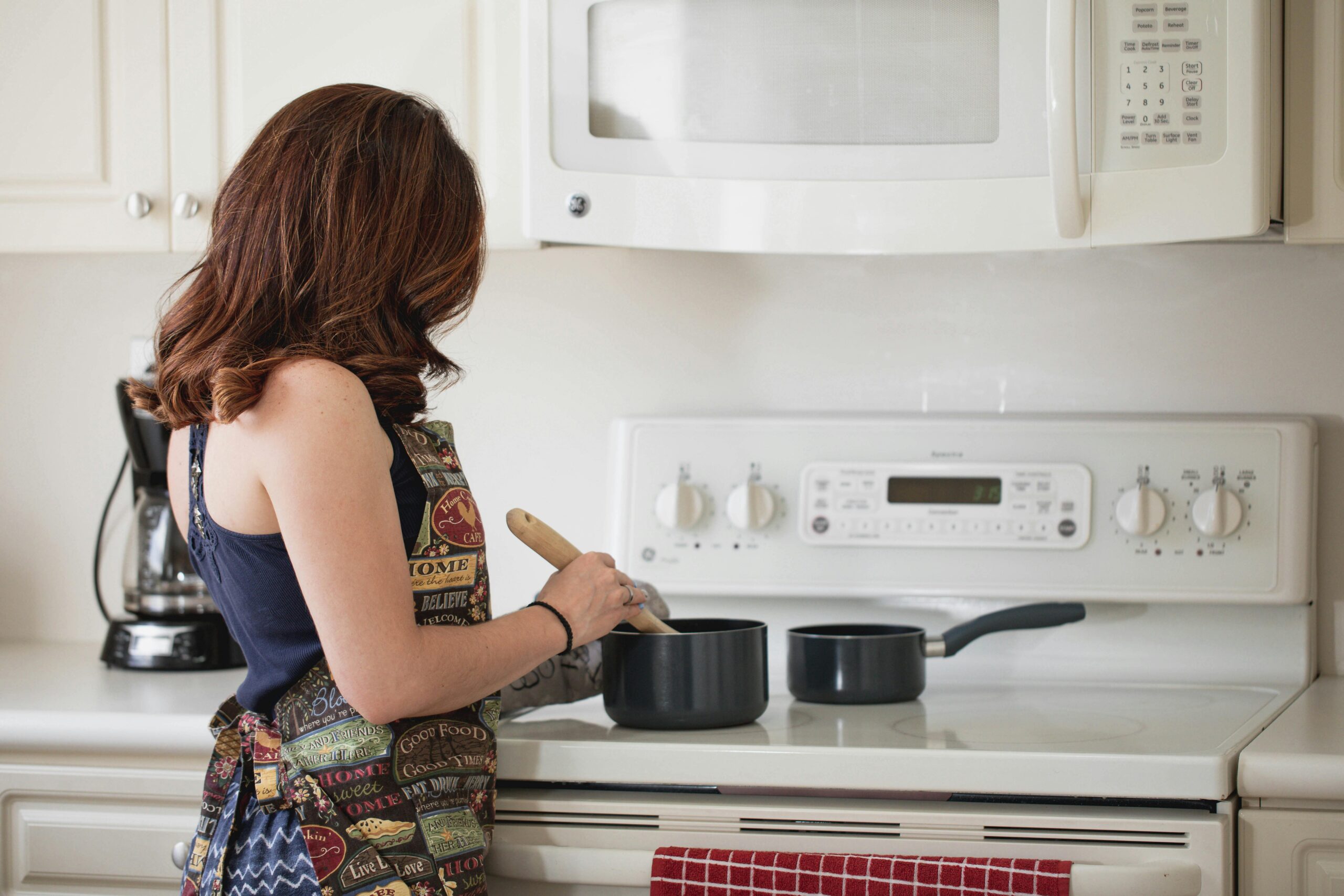
On the flip side, many argue that cooking at home is always cheaper. Indeed, buying ingredients and preparing meals usually reduces the average cost per dish. With the price of one restaurant meal, you can often prepare two or three homemade meals.
For example, with $20 at the grocery store you might buy:
-
A bag of rice
-
1 kilo (2.2 lbs) of chicken
-
Fresh vegetables
-
Basic seasonings
With these, you could prepare meals for several days—making the cost per meal much lower.
But you also have to factor in time spent cooking, energy or gas costs, kitchen utensils, and even wasted food if meals aren’t well planned.
Time: convenience comes with a price
The biggest benefit of eating out is convenience. You don’t have to plan a menu, shop for groceries, or wash dishes. For people who work long hours or have packed schedules, this time-saving can be essential.
But convenience comes at a price. In reality, when you pay more for a restaurant meal, you’re also paying for the time you didn’t spend cooking.
The real question is: how much is your time worth? For some, cooking is a pleasure, a way to relax, and even a path to better health. For others, it’s just another chore.
Health: a benefit that also saves money
Beyond the financial side, cooking at home is often healthier. You control the amount of oil, salt, and sugar, and you can choose fresh ingredients while avoiding heavily processed foods.
Eating out, while practical, doesn’t always offer that transparency. Hidden fats, high sodium, and excess seasonings are common—and long-term, this can lead to health issues. Medical expenses and medications linked to poor diet can also become costly.
So, when thinking about saving, it’s not just about today’s money—it’s also about long-term well-being.
Delivery: comfort with a high price tag
Food delivery has become a routine part of modern life. With just a few taps, dinner arrives at your door. But that comfort is expensive: on top of the meal’s price, there are delivery fees, packaging charges, and even app service fees.
A $10 meal can quickly turn into $15 or $20. Multiply that a few times a week, and the monthly expense becomes significant.
A real-life comparison
Let’s imagine two different people:
-
Anna prefers cooking at home. She spends around $250 a month on groceries for her meals.
-
Carlos eats out every day, spending about $12 per meal, five times a week. Just for lunch, his cost is $240 per month. If you add dinners out twice a week plus a few deliveries, his total can exceed $400 a month.
At the end of the month, Anna spends almost half of what Carlos does.
This example shows how quickly the numbers add up when you track them closely.
Smart strategies for saving when cooking at home
If you want to save money and eat well, cooking at home is a great option—but it requires planning. Here are some practical tips:
-
Plan your weekly meals in advance.
-
Make a grocery list before shopping.
-
Buy in bulk to reduce frequent trips.
-
Take advantage of seasonal sales and local markets.
-
Freeze portions to make busy days easier.
These habits not only save money but also reduce food waste and save time in the long run.
Eating out without guilt—or overspending
That said, you don’t need to give up restaurants altogether. Eating out has its own value: socializing, trying new flavors, and breaking the routine can all be enriching experiences.
The key is balance. You can set a monthly budget for eating out, turning it into a planned pleasure rather than an impulsive expense. That way, the financial impact stays manageable.
Food culture and cost of living
It’s also important to remember that the financial impact of eating out vs. cooking at home varies a lot depending on the country or even the city. In some places, street food is cheap and accessible, making eating out a very affordable choice. In others, home cooking is the only way to maintain a healthy and cost-effective diet.
This cultural diversity shows that there’s no one-size-fits-all rule. The key is evaluating what makes sense for your reality—balancing convenience, health, and budget.
The emotional impact of homemade meals
Money aside, food also has an emotional dimension. Cooking can be an act of self-care, an expression of love, or even a way to preserve family traditions. Preparing a meal with your own hands can bring a sense of accomplishment that no delivery order can match.
On the other hand, eating out can mean celebrating, sharing moments, and creating memories. So, economy isn’t the only factor—quality of life also matters.
Conclusion: balance is the perfect recipe
When comparing home cooking to eating out, it’s clear that cooking at home tends to be cheaper and healthier. But the choice doesn’t have to be absolute. The best approach is balance: cook most of the time to save money and care for your health, but allow yourself to eat out occasionally as a planned treat.
In the end, it’s not only about money—it’s about lifestyle. Understanding your priorities, available time, and financial goals is what will help you decide what works best.
Whether at home or at a restaurant, what matters most is that each meal brings not only nourishment but also well-being. And when your wallet benefits too, life feels a little lighter.